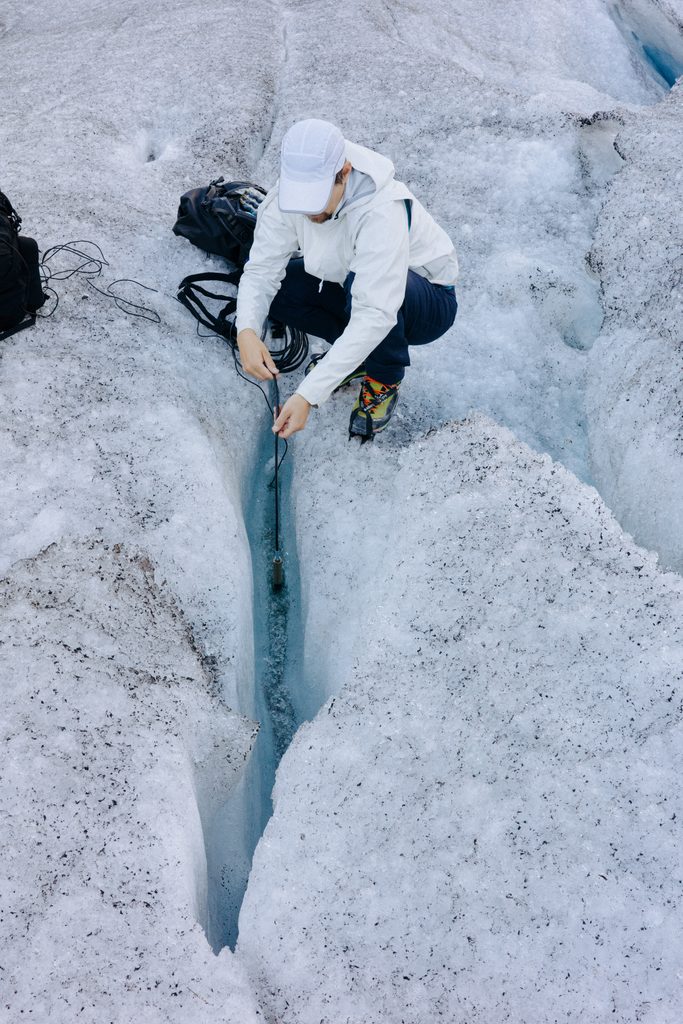
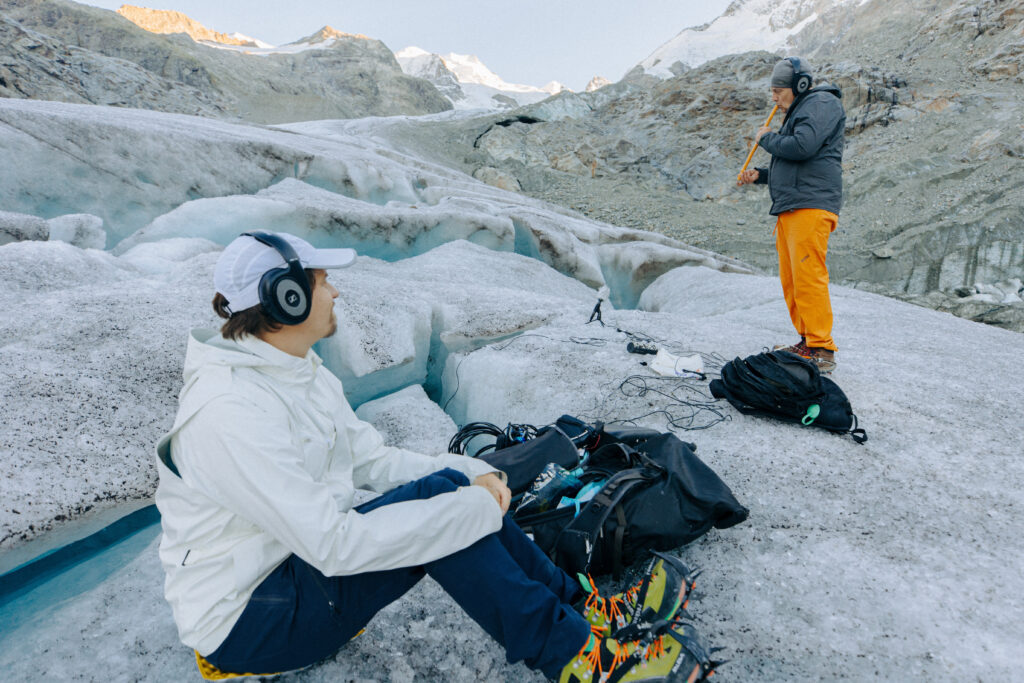
Since 2016, I have been recording the Morteratsch Glacier in the Swiss Engadine. Much of what one can hear in the water-filled crevasses comes from air bubbles trapped in the ice for hundreds of years, an archive of past atmospheres. As they escape, they create rhythmic sequences, sometimes even melodies. Each sound happens only once, then the air returns to the atmosphere. The archive becomes audible in the very moment it destroys itself.
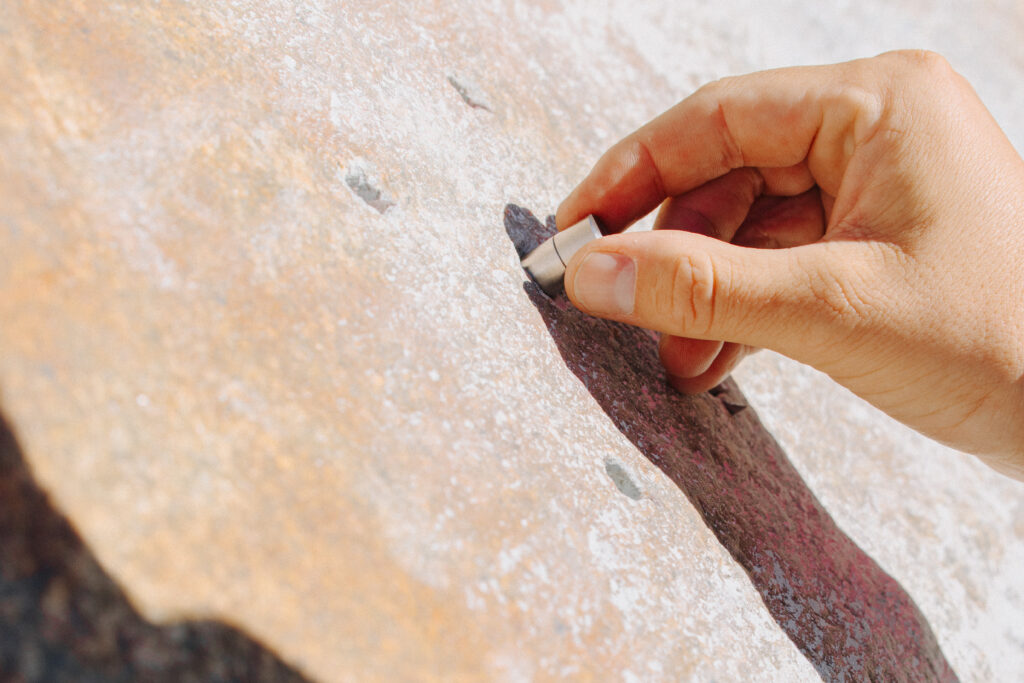
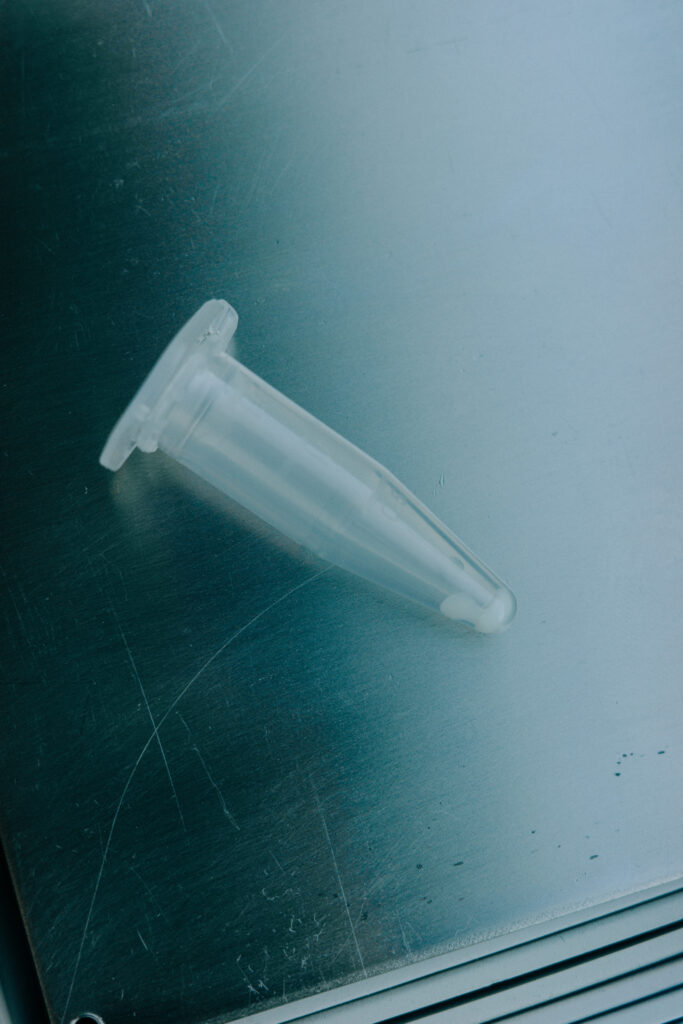
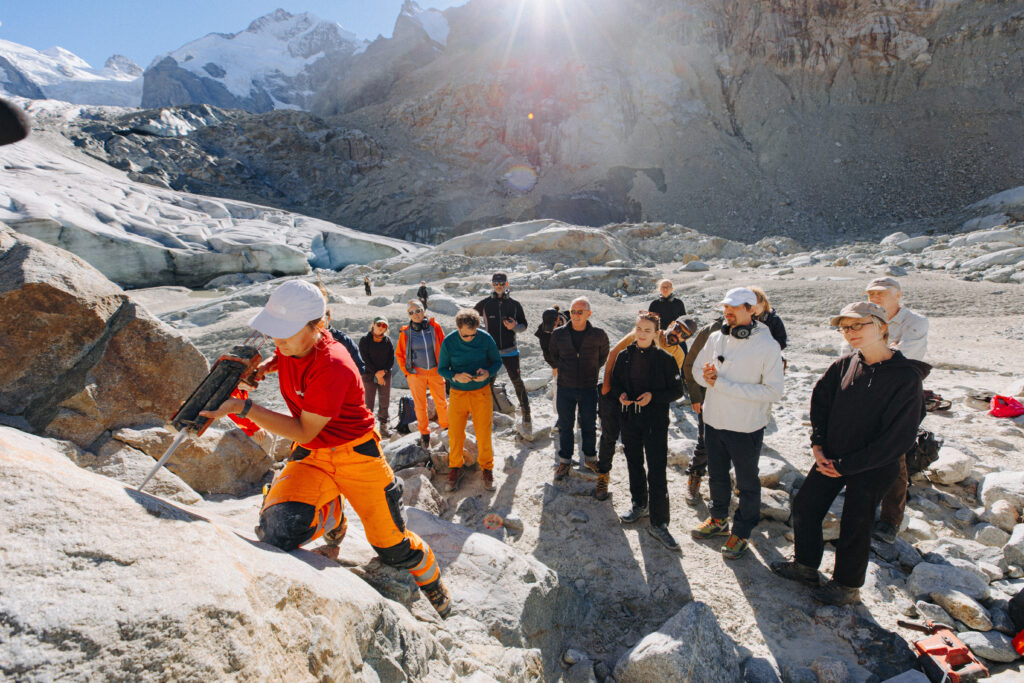
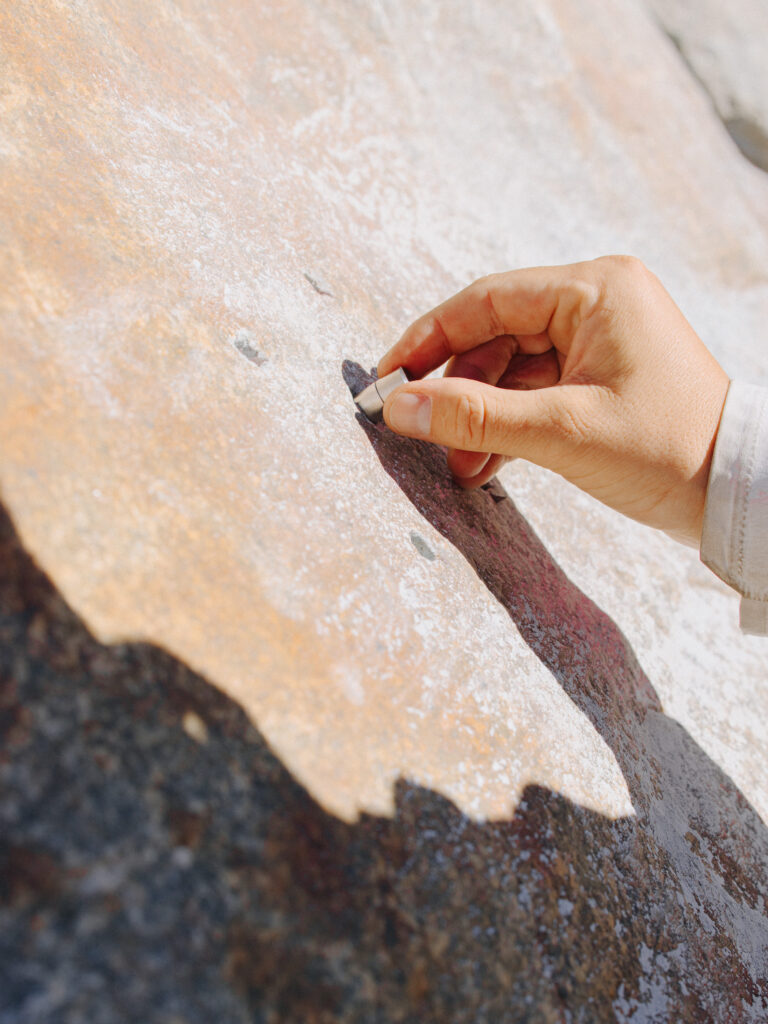
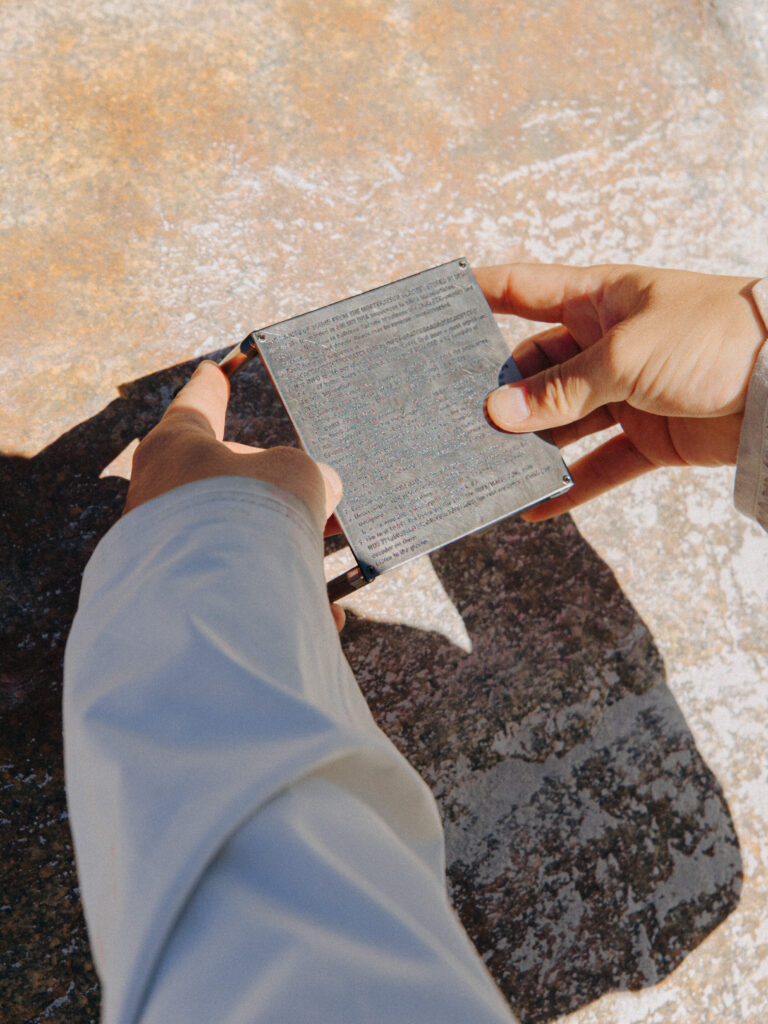
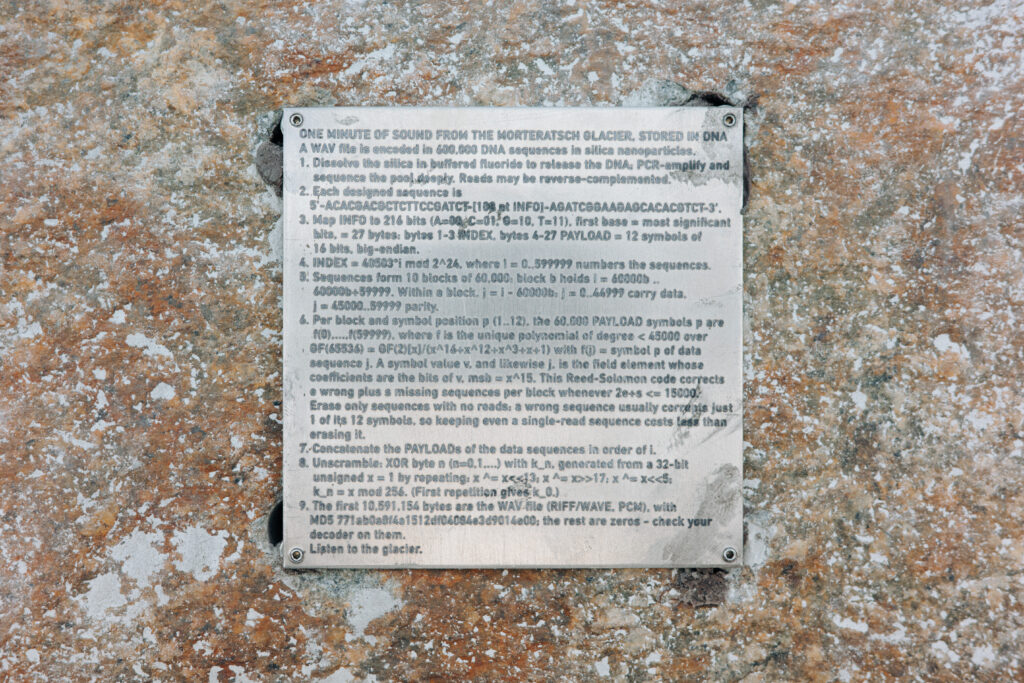
This project is an attempt to save at least a small sample of these sounds. An unedited one-minute recording from 2023 was translated from binary code into synthetic DNA. The DNA strands, visible only as a fine powder, were encapsulated in silica glass using a method co-developed by Robert Grass and filled into a pill-sized titanium capsule. The capsule was set into a borehole in the rock, at a spot that was still covered by ice when the recording was made. A titanium plate above it carries the engraved instructions for turning the DNA back into sound.
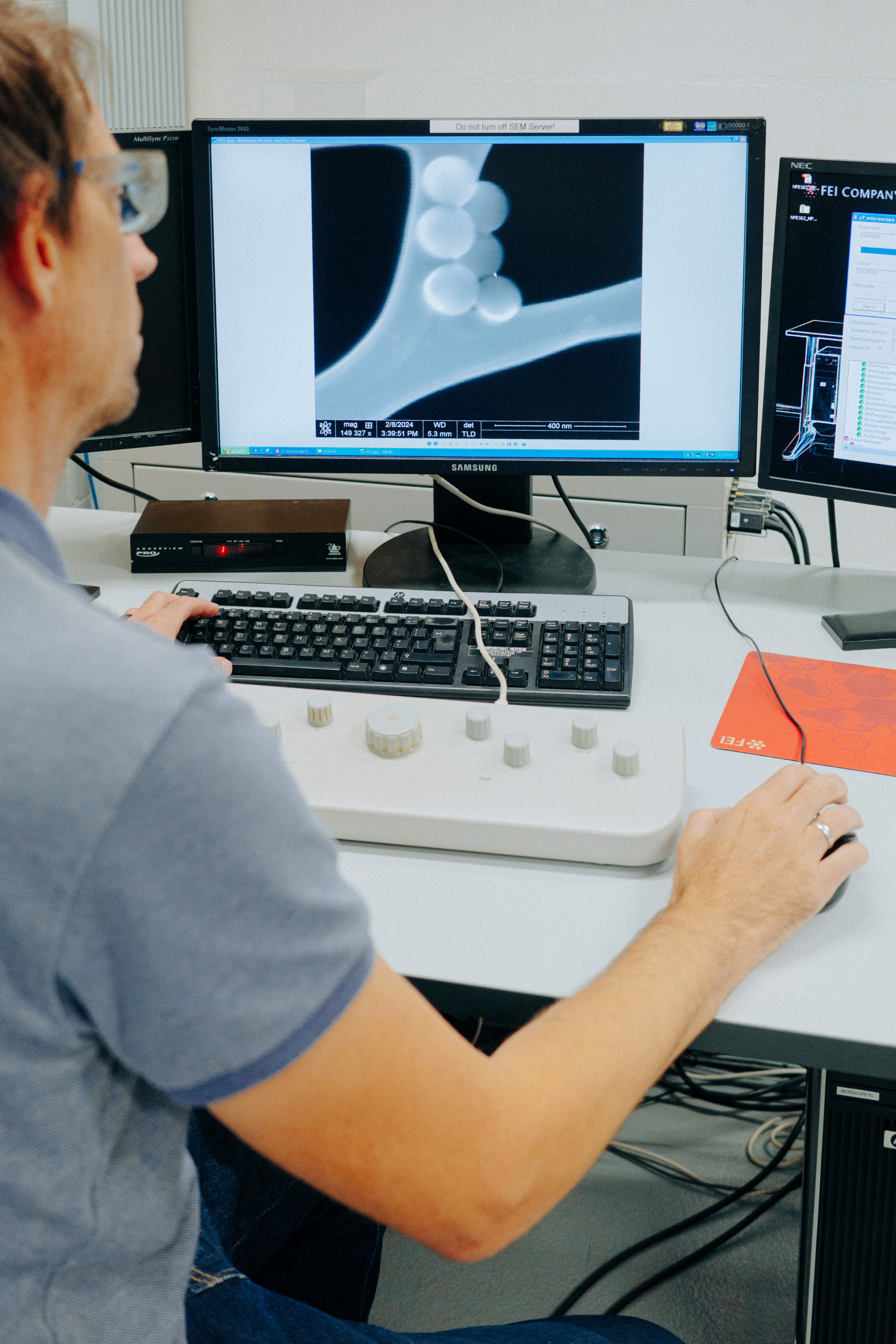
This storage technique, inspired by fossilisation, ensures the long-term stability of the data: DNA sealed in glass can endure for thousands of years. What fascinates me is the ratio of scales: a glacier of around one and a half billion tonnes of ice, and a fine powder in a capsule the size of a pill. A fleeting minute of sound, meant to last millennia.
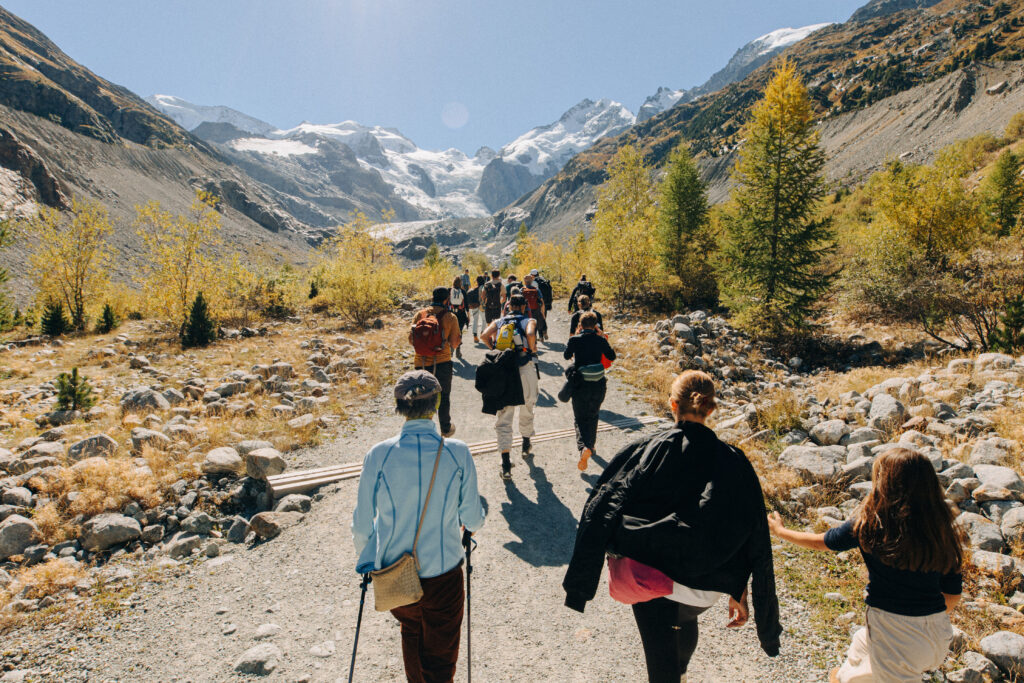
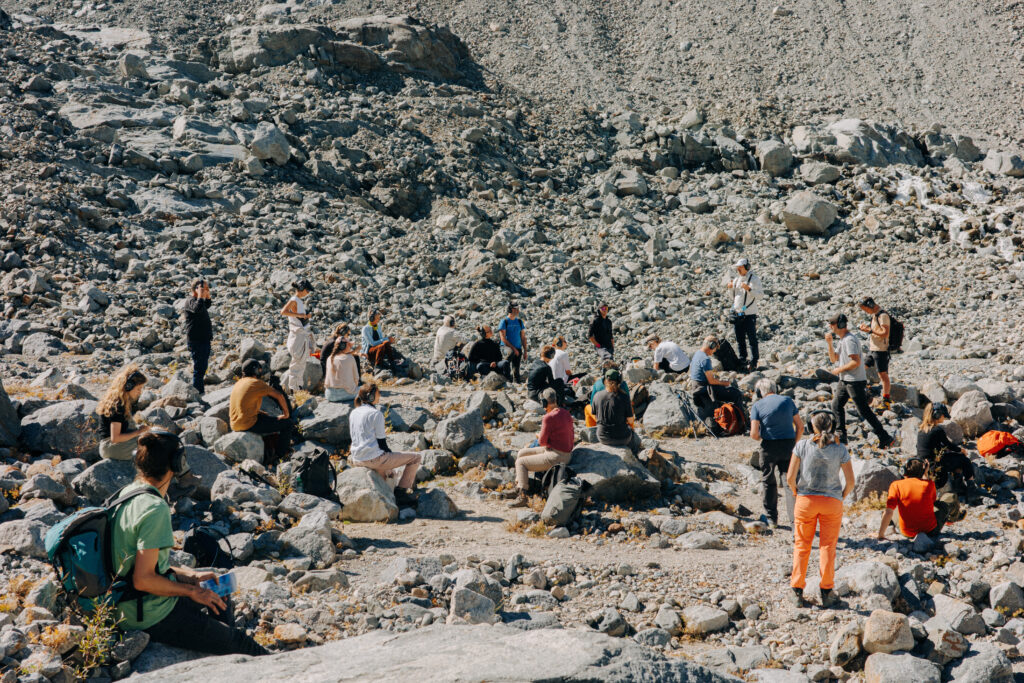
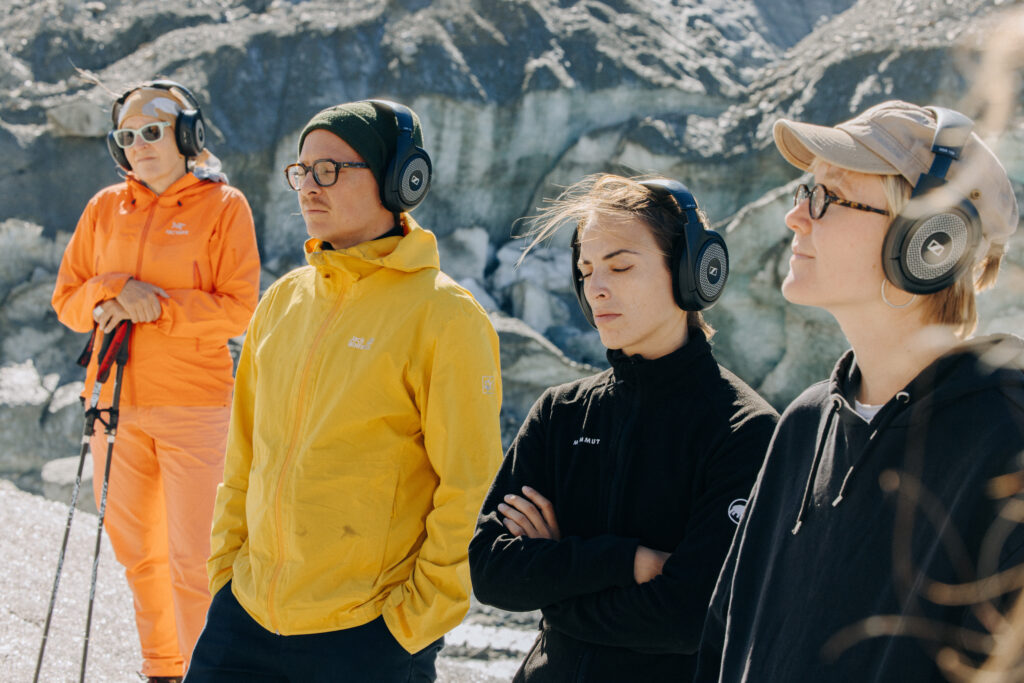
On 23 September 2026, the capsule was brought to the glacier at a public gathering. Thirty people hiked up to the glacier tongue, listening to the recordings at the exact places where they were made. Musician and philosopher David Rothenberg played clarinet and flutes in duet with the glacier, and there were talks by glaciologist Matthias Huss, curator Johannes Rühl and chemical engineer Francesca Granito. Then the minute was played once, over headphones, and sealed into the rock. It was not recorded, and it will not be heard again until the DNA is decoded.
A hundred years after the recording, in 2123, the DNA is to be decoded and the sound played back into the valley, however the landscape may look by then. Once more, the valley may be filled with cracking ice, gurgling meltwater and bursting air bubbles: acoustic traces of a vanishing body, shaped by the climate crisis of the early 21st century. Afterwards, the capsule returns to the rock as a long-term archive, so that the place keeps its acoustic memory: a sonic fossil. What this minute will mean then, no one knows. It depends on the valley people will find.
The project grew out of SUISA’s “Zukunftsmusik” initiative, curated by Johannes Rühl, Jennifer Jans and Peter Kraut, which invited musicians to imagine music for an audience not yet born. Only the coordinates are deposited at the Swiss National Sound Archive in Lugano. The DNA itself stays in the landscape, and the instructions for decoding it stay with the rock.
Other recordings from the summer of 2023 can be heard in the project Crying Glacier.
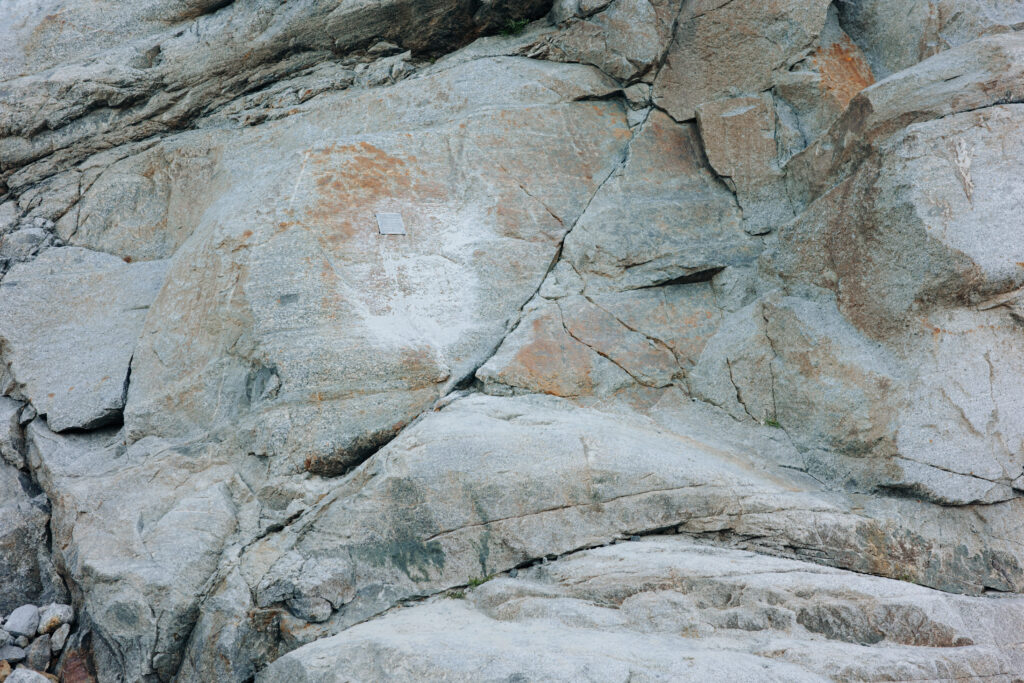
Photos by Johannes Berger
Project team:
Ludwig Berger – Recordings, concept, artistic direction
Prof. Robert Grass, ETH Zurich – DNA encapsulation
Prof. Reinhard Heckel, TU Munich – DNA error correction methods
Anastasia Orlova (Association Planète Bleue) – production, fundraising & partnerships
Leslie Bournot – project assistance
Nicholas Schärer – Co-development
Event team:
David Rothenberg – live performance
Matthias Huss, ETH Zurich / GLAMOS – glacier lecture
Francesca Granito, ETH Zurich – DNA lecture
Johannes Rühl, curator for SUISA project – lecture
Madleina Vieli (Seiler AG) – drilling
Johannes Berger – photography
Joscha Kotlan – video documentation
Supported by:
ETH Zurich
Temperatio Stiftung
Canton of Graubünden
Elisabeth Weber Stiftung
SMKK-Stiftung
Stiftung Stavros S. Niarchos
SUISA