Ludwig Berger
Radio documentary

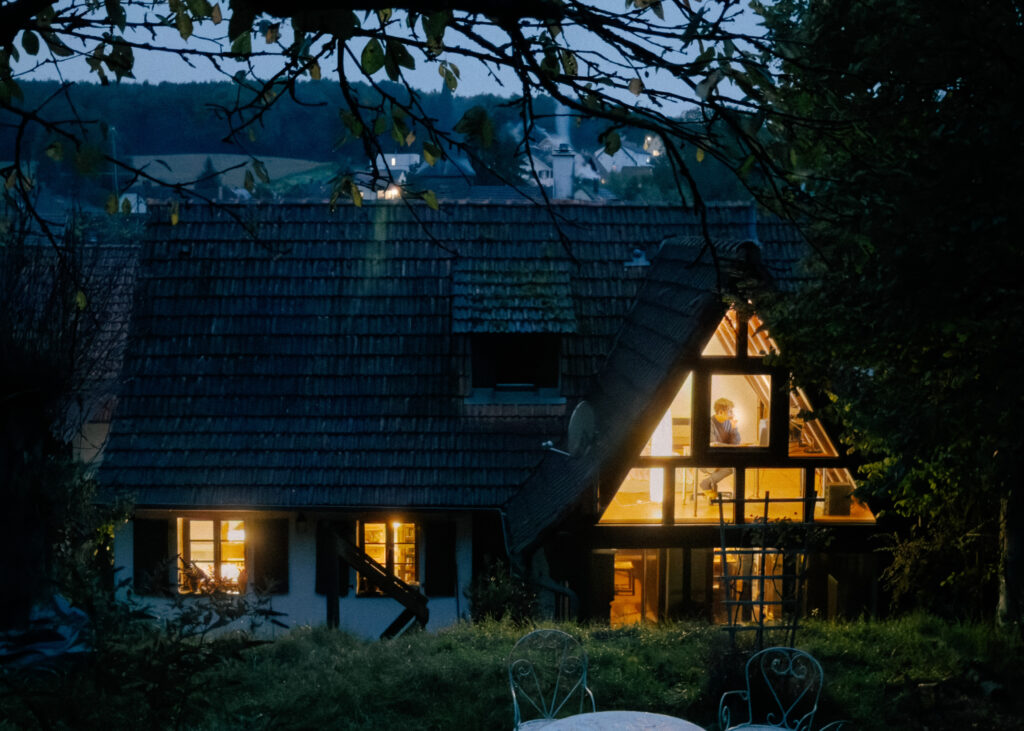
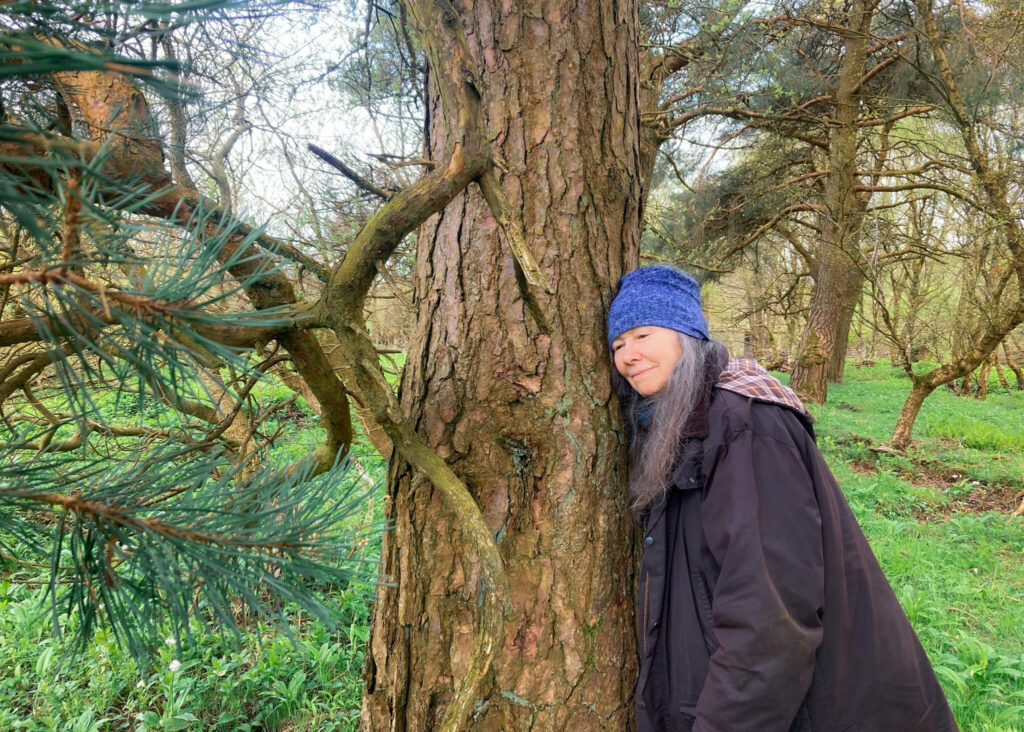
The radio documentary portrays the artist Josephine Dickinson in the North Pennines uplands of Cumbria. Deaf since childhood, she has developed a distinct way of listening that shapes both her life and her work. Everyday scenes—feeding animals, walking by the river, playing the carillon and the organ—are interwoven with her poems and reflections. The open form echoes her perception of her surroundings and her eventful life. The piece reflects on place and belonging, changes in the local ecology, and on listening beyond the ear.

50 min, SWR Kultur 2025

Main jury prize at the Berlin Radio Play Festival 2025 (Langes Brennende Mikrofon, Berliner Hörspielfestival)

“Best Acoustic Concept” at the Leipzig Hörspielsommer 2025

Southern Alpine Valley, Texts, Field Recordings

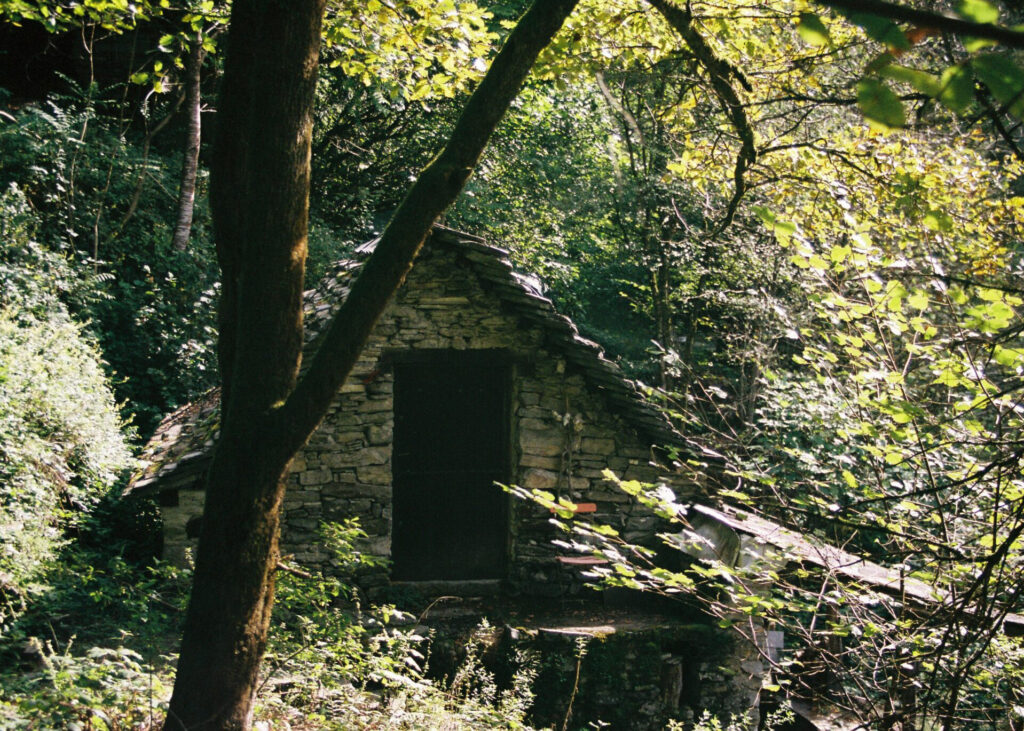
The project traces the life and work of Basalt (1910–?)—a geologist and queer figure from Berlin who fled the Nazis. They finally settled in a remote valley in Ticino (Switzerland) in the 1950s, where they formed deep ties with the stones, plants, and animals and developed early theories of acoustic ecology, preserved in aphoristic notes. The audiovisual project translates Basalt’s writings into a contemporary practice of listening in the Onsernone Valley—presented as a documentary field recording album and an audiovisual live performance.

In collaboration with Pablo Diserens
Released at Vertical Music and forms of minutiae (CD + Booklet)
Premiered at  Eventi Letterari Monte Verità

2025
Glacier Audio Recordings, Synthetic DNA Fossils, Rock

The long-term project safeguards the sounds of the melting Morteratsch Glacier for future generations in form of a synthetic sound fossil.

Arranged as a short composition, the sounds are encoded into synthetic DNA using a long-term storage method that outlasts all existing digital formats. The DNA is sealed in a capsule and embedded in the rock at the glacier’s base. In 100 years, the capsule will be retrieved, the DNA decoded, and the sounds played back into the valley—likely emptied by the glacier’s retreat.
By using DNA—nature’s own storage medium—the project embeds the memory of a vanishing phenomenon directly into its environment. Just as ancient DNA preserves traces of extinct life forms, this synthetic DNA preserves the glacier’s acoustic signature.

Originally commissioned by SUISA, developed in cooperation with Robert Grass (Titulary Professor at the Functional Materials Laboratory at ETH Zurich).

To be realized in October 2025. Currently in process of fundraising – scroll down to support.

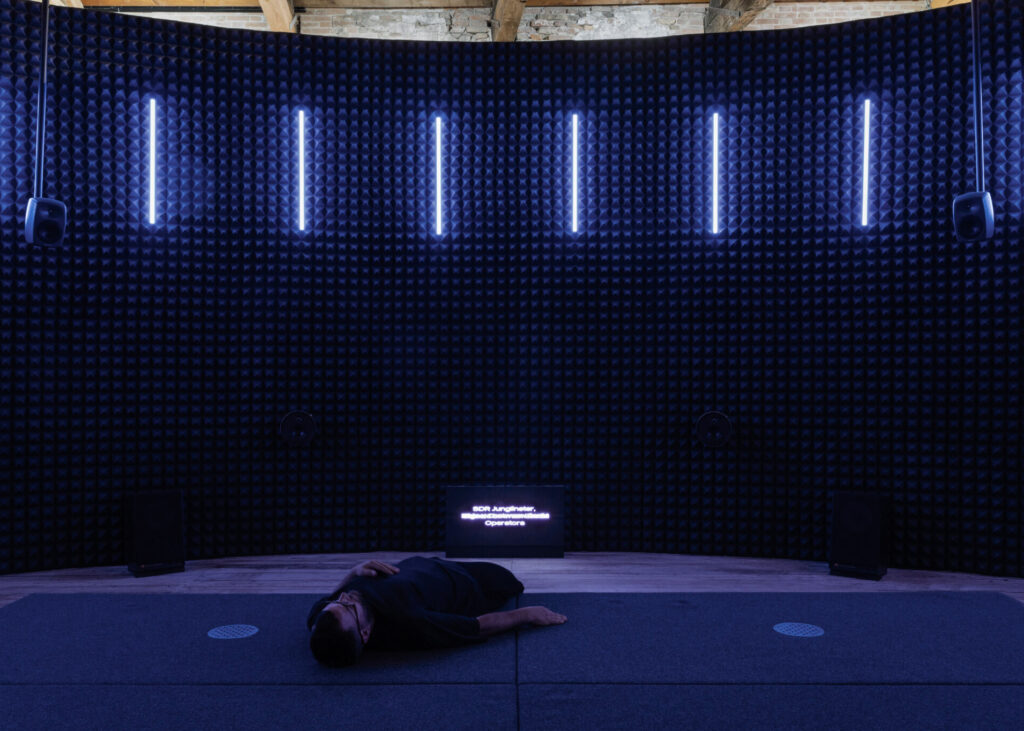
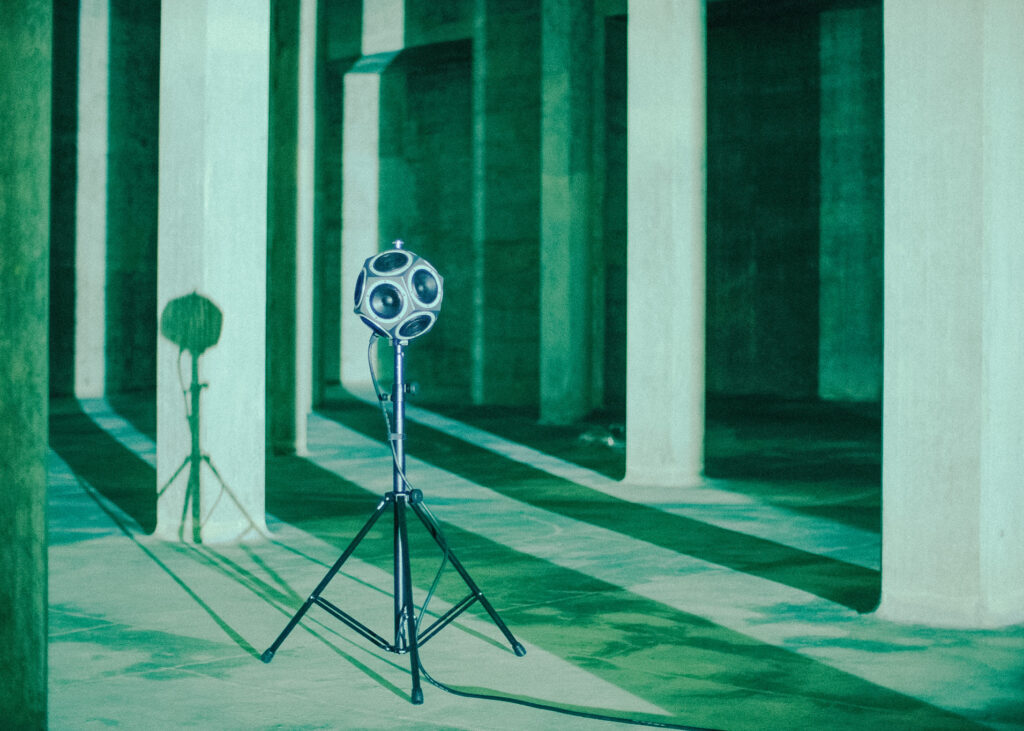
Field Recordings, 22 Speakers, 4 Bass Shakers 3 LED Screens, Curved Wall and Bench

An audio piece commissioned for the Luxembourg Pavilion at the Venice Biennale of Architecture 2025.

“Ecotonalities: No Other Home Than The In-Between” weaves together field recordings from distinctive locations across Luxembourg, where sustainable and digital transformations are reshaping the landscape—energy production sites, data centers, satellite parks, and the forests, meadows, and artificial lakes surrounding them.

The piece is guided by the concept of the ecotone—a transitional zone between two ecosystems, interpreted in this work as the meeting points of human infrastructure and living environments, where forms of coexistence and friction arise. The recordings were made using a range of microphones, including vibrational, underwater, electromagnetic, and ultrasonic sensors, allowing for a multi-perspective perception of the environment.

Structured along the rhythm of a day and played back over 22 loudspeakers and 4 bass shakers mounted on the ceiling, walls and bench surfaces, the composition creates a dense, physical sound environment that can be experienced from multiple positions in the space—through stillness, movement, and proximity. To provide context, three subtitle screens indicate the sites and times of recording, species or machine models and the recording medium.

Presented as the central installation of the pavilion, the work forms part of the exhibition Sonic Investigations, which invites a shift of attention from the visual to the sonic in architecture.

Curators: Valentin Bansac, Mike Fritsch, Alice Loumeau, with Ludwig Berger and Peter Szendy 

Alpine glacier, hydrophones, field recordings, film

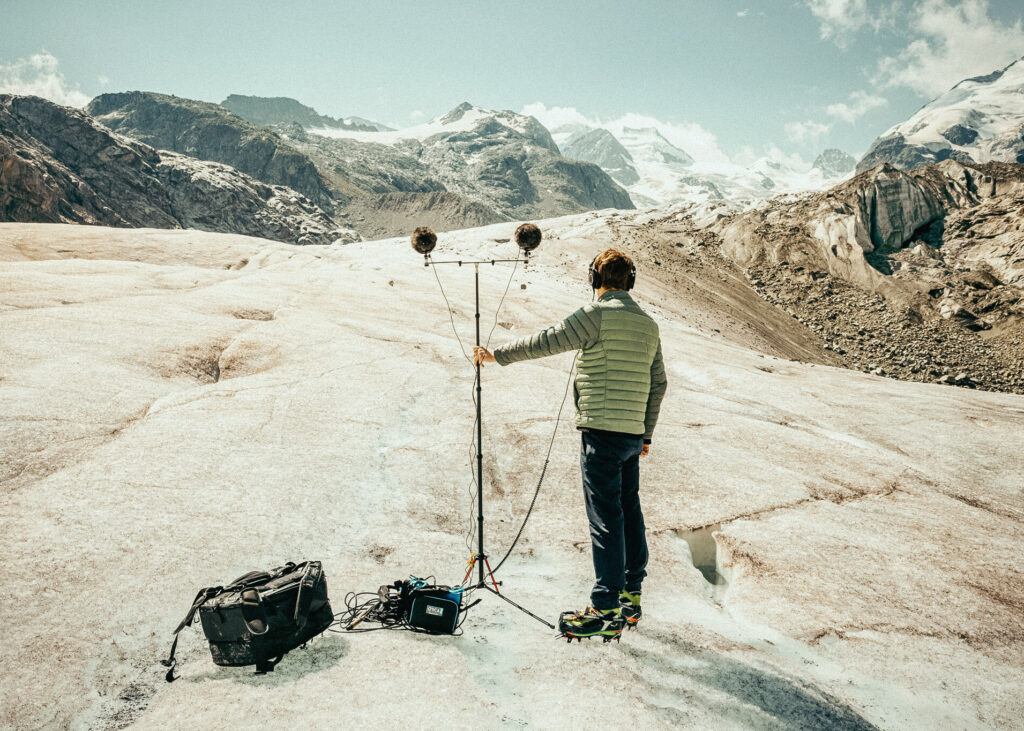
A personal sound portrait of the Morteratsch Glacier in the Swiss Alps. Recorded over more than ten years, Crying Glacier approaches the glacier as a presence with voice and agency — closely aligned with the notion of environmental personhood.

Developed in summer 2023, the project takes the form of both a documentary film and a vinyl LP. It traces a long-term relationship between listener and glacier. Using hydrophones, Ludwig Berger explores water-filled crevasses and melt channels, revealing a spectrum of sonic articulations: bubbling, cracking, rasping, humming. Voices emerge that seem animal, human, synthetic — forming a dense, layered glacial noise.

The composition shifts between extreme proximity and broader acoustic horizons, ending with a speculative soundscape of the valley after the glacier’s disappearance. Sounds from the project have been presented at UNESCO Paris, the UN Headquarters in New York, the World Heritage Committee and The New York Times Climate Forward 2025 (Climate Week NYC).

Documentary by Lutz Stautner, vinyl release at forms of minutiae 2025.

Vibratory insect signals, 12 body shakers, hut, meadow

“Vibroscape of Hochmoor Gais” is a vibratory installation rendering perceptible the vibrational communication among insects in a meadow. Grounded in the emerging science of biotremology, the project investigates the unique “vibroscape” of the local ecosystem of a wet meadow in the Swiss Alps. Over several days, vibrational signals by insects were recorded with an array of six laser Doppler vibrometers. This recording material of 150 hours was then edited and distilled into a coherent composition.

In collaboration with Juan José López Díez

Photosynthesizing aquatic plants, hydrophone

On a too-hot summer day in the Swiss Jura, I was listening to bog ponds with an underwater microphone. Below the surface, lay swarming tapestries of submerged greenery bathing in sunlight. These were the aqueous cradle of oscillations essential to our world.

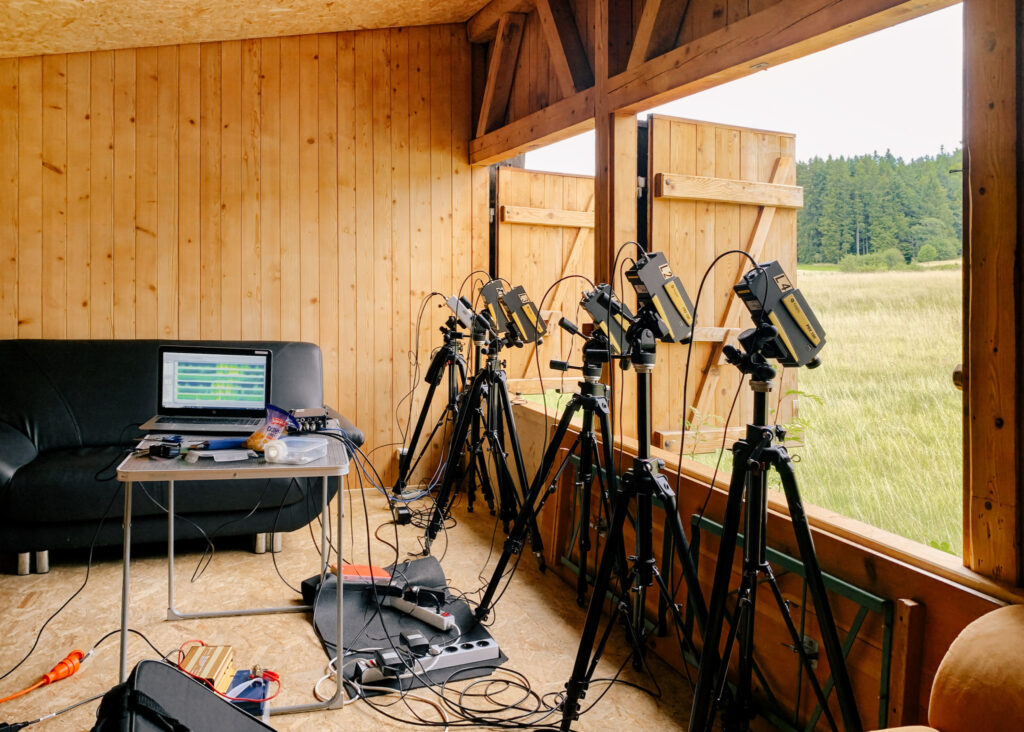
Beehive, 8 contact microphones, barn, 8 body shakers.

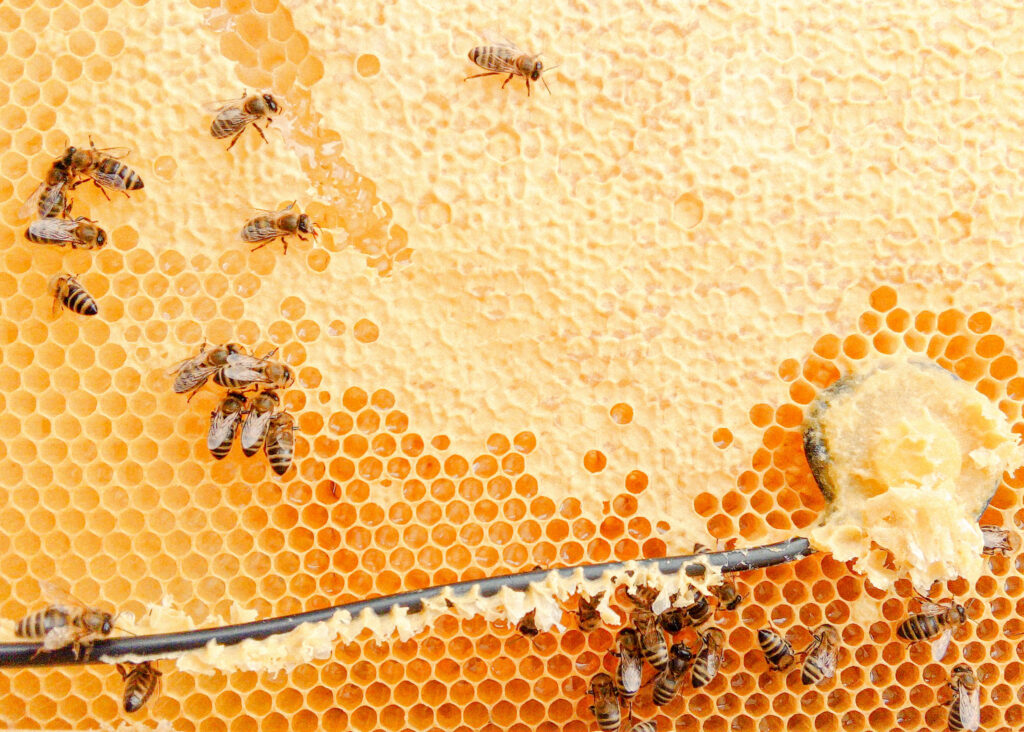
A beehive lives in the 1:8 model of a barn. Four contact microphones embedded into the combs register the vibrations of the super organism. The sounds inside the hive are transmitted in realtime into the barn’s interior. Twelve body shakers on the corresponding positions transmit the vibrations of the hive into the wooden walls, beams, ceiling and floor. The barn acts as an acoustic model of the hive in the scale of 8:1.

Realized at Klang Moor Schopfe 2019 in Gais, Switzerland.

Design and realization of the model: Anja Schelling, Yvo Corpateaux
Survey and consulation: Johannes Rebsamen (ScanVision)
Bee keeper: Heidi Ziegler, Gais

“You finally hear the bees inside a beehive call and respond – an opulent repertoire” (TAZ)
“The hut becomes a sounding body, the visitor feels like he’s in the middle of the beehive.” (Tagblatt)
“A crackling or patter can be heard, perhaps as if from a great fire. Not threatening, rather cosy.” (Blick)

Tree, wind, contact microphone

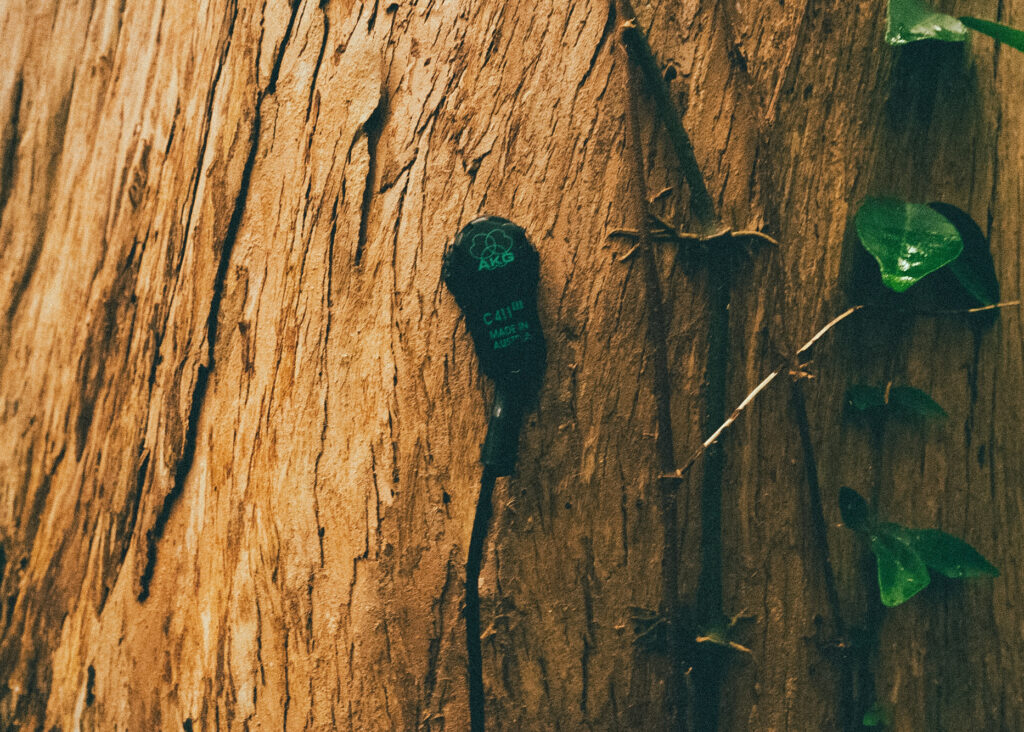
Inumaki tree (Podocarpus macrophyllus) recorded with a contact microphone during strong wind in the forest of Esuzaki Island, Wakayama, Japan on June 14, 2018, from 2 to 3 p.m. The unedited and unprocessed recording was reintroduced to the acoustics of the forest.

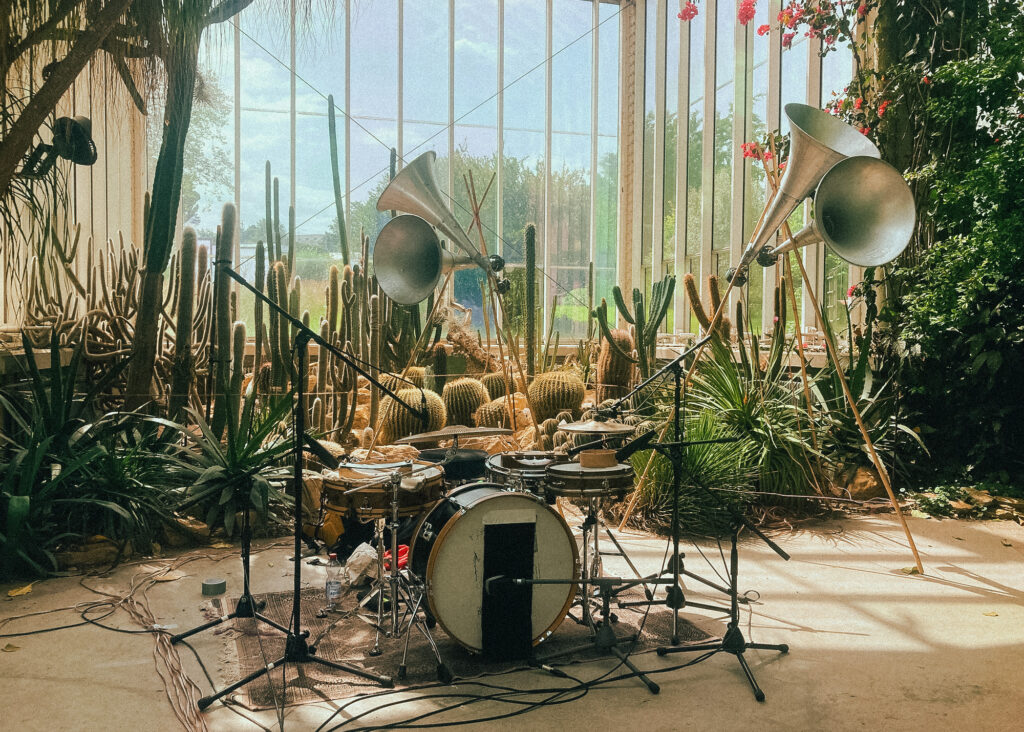
16 horn speakers, insect signals, double bass, drums

As a tribute to the endangered insect world, the project presents a loudspeaker orchestra with human and insect musicians in botanical gardens and other places.
32 channel audio, fog, light, herbal scent

We animals not only live in different spatial scales, but also in different temporal scales. The smaller a creature and the faster its metabolic rate, the slower it perceives light, movement and sound. The installation takes the habitat of a meadow as a starting point to let us shift from human to other perceptions of time.

Alpine glacier, hydrophones, field recordings, analog photography

A collective long-term documentation of the rapidly melting Morteratsch glacier in the Swiss alps. Connecting to the glacier’s body with its manifold textures and resonances, finding sonic intimacy.

The audiovisual research project Melting Landscapes reveals the inner sounds and textures of the Morteratsch glacier in Switzerland. We collectively used underwater microphones to record crevasses, glacier puddles and the ice of the glacier tongue. In this process, sounds became audible that were not perceivable from the outside with bare ears: melodic squeaking, clicking and rattling, gargling and gurgling, hissing and fizzing, deep droning. Numerous sounds of microscopic melting processes, repeatedly interrupted by large ice blocks breaking off.

The recordings have been published as a record with a photo book, as spatial sound installations, and as a concert series in dialogue with musicians. The project seeks to provide a new perspective on glaciers in the face of global heating. The bodily experience of the melting process with all its liveliness allows an intimate connection to an elusive phenomenon. In sound, one can experience the microscopic scale from which the climate catastrophe takes its course. The microscopic glacier sounds make the all-encompassing impact of capitalist societies in the natural world tangible, offering an embodied and intimate knowledge of our crisis.

Released as a Vinyl album with photo book, Institute of Landscape Architecture, ETH Zurich 2018.

Mud volcanoes, hydrophones

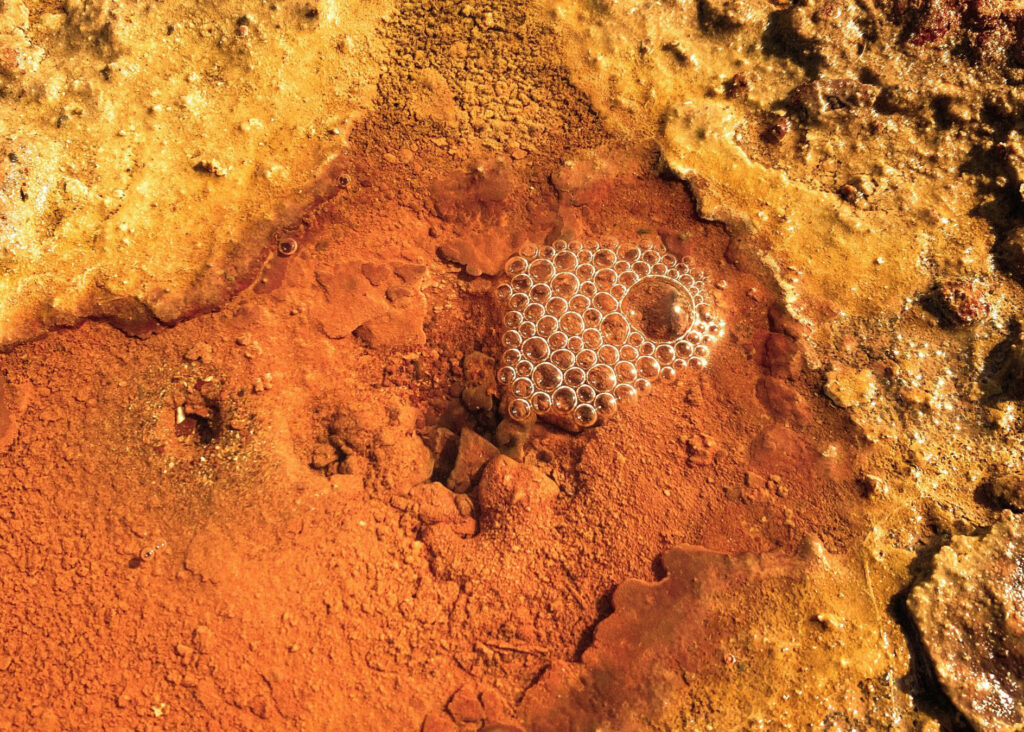
Field recordings of mud volcanoes near Mount Etna in Sicily. Each vent has its own unpredictable and unique voice, bubbling natural salty water, mud, gas and liquid hydrocarbons to the surface. They are not real volcanoes, but their activity is closely connected to Mount Etna. The site on the outskirts of the town of Paternò is characterized by both wonder and neglect, with geological vitality between discarded clothing, electronics and cartridge cases on the ground.

Running water, plants, humans, stones.

Number of players: Any
Restrictions: No human speaking
Duration: Any
Order: Alternately

(1) A stone or another thing inside or close to the water emits a call to the human player.
(2) The human player places, replaces or removes the thing into, within or out of the running water.
(3) The water responds to the action by changing its sonic expression.

Players: alnus viridis, andrea caretto, bertula alba, fagus sylvatica, garnet micaschist, laura harrington, ludwig berger, micaschist, micaschist eclogite, monzonite, petasites sp., pteridium, aquilinum, sara cattin, sèssera water, sod, syenite.

4 sites, 30 artists, scientists and architects

How many ways are there to listen to a place? Sonic Topologies presents a wide range of sonic research in Zurich’s urban landscape—underground and above ground, underwater and on the water. The project explores the sounds and acoustics of an empty reservoir, a botanical garden, a thermal bath, and a lake. In June 2022, thirty sound artists, architects and researchers developed concerts, talks, walks and workshops for these places. Their contributions reveal hidden and overlooked sounds and voices; the artists and scientists make spaces vibrate, shift their contexts, and connect them to distant locations and times; they enable encounters across species and disciplinary boundaries. With its manifold methods and instruments, the project not only reveals different aspects and potentials of the sites, but also offers a versatile toolbox for sonic landscape research which we compiled in the form of two vinyl records with a glossary of texts and photographs.

Hydropower dams, water infrastructure, sound recording devices (geophones, hydrophones, electromagnetic sensors, contact, stereo and ambisonic microphones), analog cameras, laser scanners

The trilogy traces the dramatic metamorphosis of alpine water in the Anthropocene. Ranging from the receding tongue of the Morteratsch glacier (“Melting Landscapes”) in Engadine to the guzzling turbines of the Punt Dal Gall hydroelectric dam (“Dammed Landscapes”) and the disgorging reservoir chambers of Zurich (“Buried Landscapes”), the collectively recorded field recordings combine to paint a panorama of a fading epoch when water was still treated as a naturally inexhaustible element

Volcanic landscape and residents, 20 listeners & improvisers

A group was invited to embark on a week-long sonic travel to explore the naturecultural landscape of Mount Etna in Sicily. Starting from the volcano’s center and spiraling outwards, we investigated the environment through site-specific improvisations, deep listening exercises and experimental fieeld recording. We met local farmers, scientists and volcano lovers. We sensed how the topography, soil and microclimate create unique geographic zones with distinct vegetations, cultures and atmospheres. We experienced the volcano’s unique and contrasting capacities for destruction and fertility and observed the complex relationships between the surrounding settlements and the volcano, learning how lava stimulates other kind of relationships between human and non-human forces.

Rock buildings and landscapes, singers, 16 listeners & improvisers

his sonic exploration delved into the natural and vernacular stone architecture of Corsica, highlighting its profound relationship with landscape sound. The initiative comprised a series of on-site acoustic experiments, soundwalks, and polyphonic singing workshops with locals, aimed at uncovering the perceptual and cultural dimensions of acoustics both indoors and outdoors. As participants traversed the island, they engaged in listening exercises to discern how different rock types, from granite to limestone, influence our auditory perception. These activities also included sound recording and experimental playback with speakers on-site, comparisons of church acoustics, and presentations of traditional Corsican landscape instruments. Through this circumnavigation, the exploration sought to understand how sound and resonance define social spaces within the diverse landscapes of Corsica, emphasizing the intricate relationship between human culture and geological formations.

Forest, field recorder with various microphones, 30 wireless headphones

With the aid of wireless headphones linked to sensitive microphones, geophones, and contact microphones, participants experience the forest’s life in a variety of ways. Interchanging between di”erent instruments and modes of perception, they listen into the concealed acoustic world of the forest floor, plant and animal life, connecting these sounds with the ever-present anthropogenic influences on the forest. These participants are not passive observers; they are active contributors, engaging in collective improvisations that resonate with the forest’s elements. Guided by listening exercises and questions, they are invited to reflect on the act of listening itself. They attune to the subtle nuances of their own bodies in relation to the forest, connect to the deep time of evolution and geological history, and contemplate the political decisions that sculpt the forest’s sonic landscape, both in the present and in its future.

Microphone, radio transmitter, mobile radios, headphones

A microphone transmits the sounds from a secret place on the radio. Equipped with a portable radio set and headphones, the participants track the sound source in the city to find the hidden microphone.

Awarded with a Honorary mention at Prix Ars Electronica 2017

Voice synthesizer, processed field recordings, physical modeling

A musical eco-fiction, guiding listeners through a speculative ecosystem with synthesized vocals. Infused with storytelling techniques from sci-fi and fantasy, the album intertwines melodic songwriting with electroacoustic sound design.

Vinyl record and digital release at -OUS
Videos by Paulin Rogues

Eco-horror and eco-gothic film samples, field recordings

«I wanted to revisit the sound worlds of 1970s eco-horror films, a time of growing fears about environmental consequences. Today, we no longer fear the revenge of frogs or insects; we are mourning their vanishing. My music channels the eerie, anticipatory dread of those films into a contemporary lament for what’s been lost and a search for what might still be restored.»

«Species Loneliness» explores a yearning for interspecies connection on a damaged planet. The six track EP presents a set of muted songs that are haunted by echoes of eco-horror and eco-gothic films of the past century, while interwoven raw field recordings create the space to breathe. The tracks center around the term of «Species Loneliness» — an ecological form of isolation and solitude. It expresses the paradox of “homesickness at home”, a feeling of absence that permeates our surrounding landscapes and environments, arising from the loss of natural habitats and the decline of biodiversity.
Through layers of degraded samples, eco-nostalgia runs through the EP, longing for meaningful relationships obscured in the shadows of the Anthropocene.

Ships, mining areas, water bodies, highways, non-places, non-time

Steady motions between the Mediterranean Sea, Asian peripheries and Northern European expanses. Blurred traces of extraction, collection and distribution; entangled bodies; translocality; placelessness and non-time. In between the infrastructure: voices from an uncertain past; the possibility of a dead-end street; touching and releasing the ground.

Recommended way of listening: half asleep / in transit.